
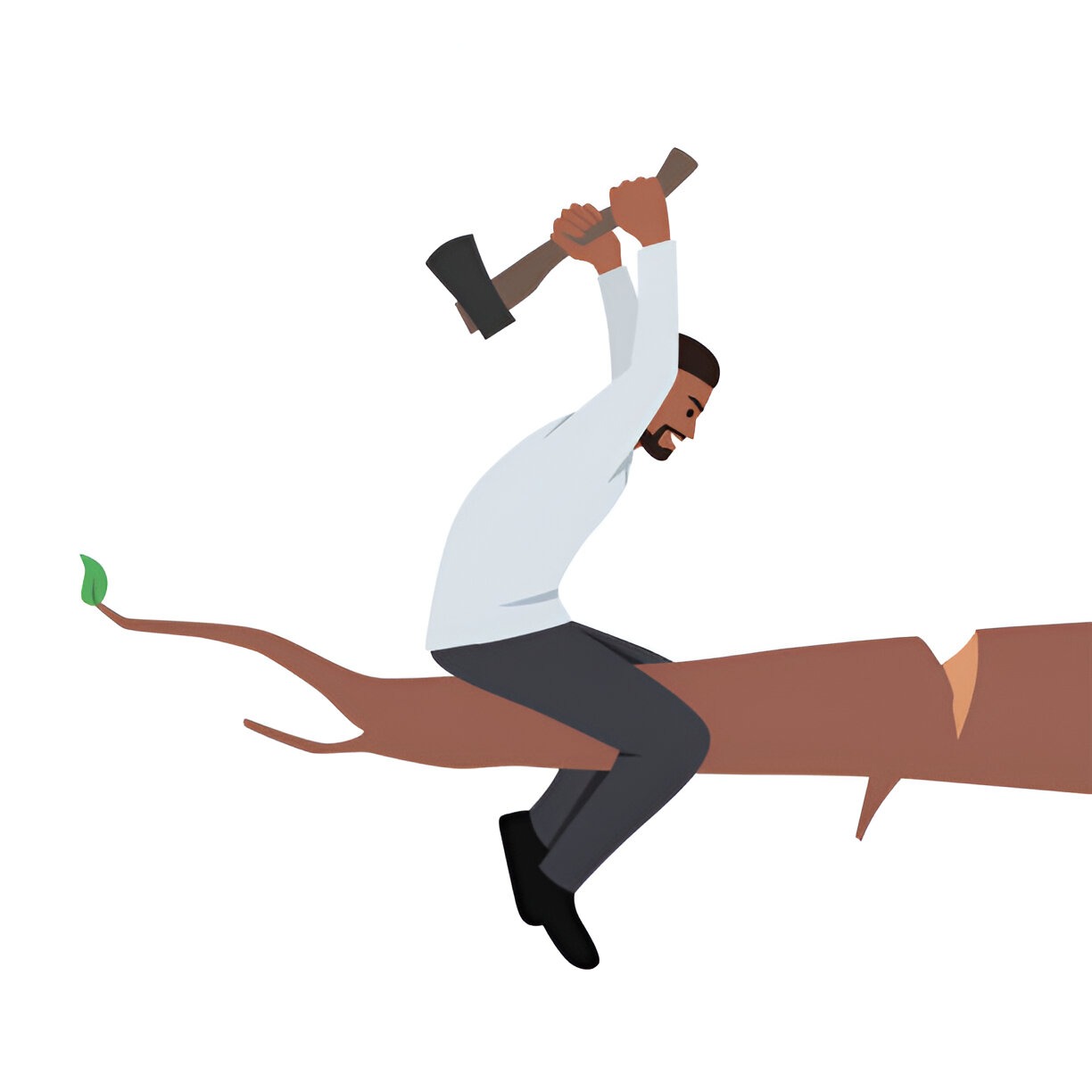
No, that was not a typo. In fact, I was asked the above question by one of my professors 🙁
In spoken English, both native and non-native speakers make mistakes.
Speakers from every country struggle with specific aspects of English:
- Accents
- Pronunciation
- Language structure
I work with many professionals from India, and I’ve noticed common mistakes they often repeat.
Here’s an analysis of these errors—and actionable steps to correct them:
1. "I cannot not able to do it."
Error:
➥"Cannot" already conveys the inability to do something.
➥ Adding "able to" is not necessary
Correction:
➥ Use either "I cannot do it" or "I am not able to do it."
2. "Suppose if incase"
Error:
➥ Using "suppose," "if," and "in case" together is redundant.
➥ They all introduce conditions.
Correction:
➥ Use one of the following:
"Suppose the weather changes..."
"If the weather changes..."
"In case the weather changes..."
3. "I did not had"
Error:
➥ After "did," the verb must be in its base form, not the past tense.
Correction:
➥"I did not have."
4. "Yesterday night"
Error:
➥ In English, we use "last night" instead of "yesterday night."
Correction:
➥ "Last night."
5. "When did you came?"
Error:
➥ After "did," the verb must be in its base form, not the past tense.
Correction:
➥ "When did you come?"
6. "I doesn't know"
Error:
➥ The auxiliary verb "doesn't" is incorrect for "I" (first person).
➥ Use "don't" instead.
Correction:
➥"I don't know."
7. "He don't know"
Error:
➥ The auxiliary verb "don't" is incorrect for third-person singular.
➥ Use "doesn't" instead.
Correction:
➥"He doesn't know."
8. "Teached, fighted, catched"
Error:
➥ These are irregular verbs.
➥ They do not follow the standard rule of adding "-ed" for the past tense.
Correction:
➥ Use the correct past forms:
"Taught" (instead of "teached")
"Fought" (instead of "fighted")
"Caught" (instead of "catched")
For more examples of common grammar issues, see this Grammarly guide
9. " I only know this "
Error:
Misplacing words due to direct translation from native languages.
Correction
➥ If you mean you have limited knowledge: "This is all I know."
➥ If you mean to emphasize exclusivity: "I know only this."
10. "Listen me"
Error:
➥ The verb "listen" is not followed by a direct object (like "me").
➥ It requires the preposition "to" before the object.
Correction:
➥ "Listen to me."
Once you’ve understood common mistakes, learn how to fix them through this guide on paraphrasing techniques
Why does correcting these mistakes matter?
➥ Professionalism: Proper grammar conveys credibility.
➥ Clarity: It ensures clear communication.
➥ Confidence: Speaking correctly enhances self-assurance.
To learn how to communicate confidently beyond grammar, read Networking Isn’t About Speaking Perfect English
For structured grammar lessons with examples, visit BBC Learning English
What are some of the similar mistakes you have come across?
Share your thoughts below in the comments