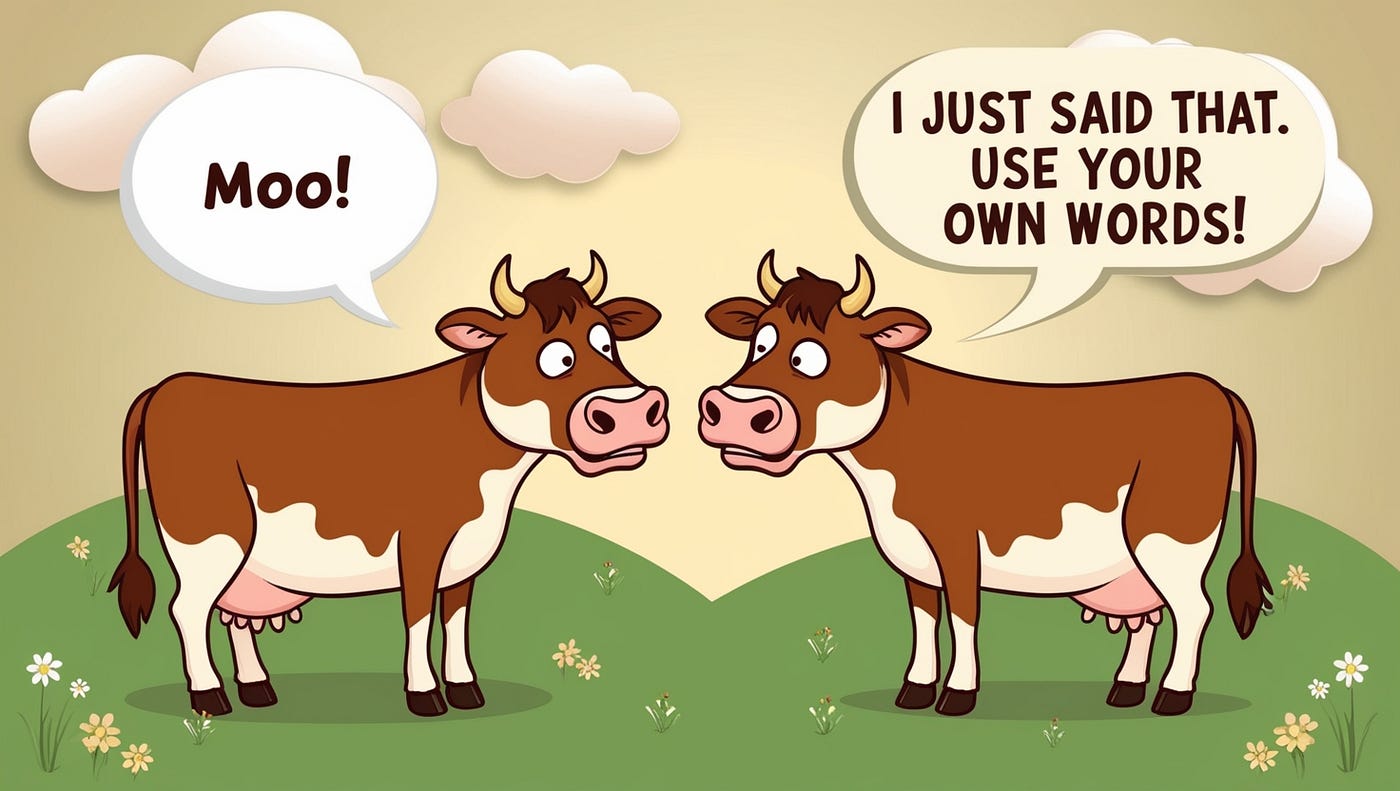
Because sounding helpful beats sounding scripted.
When it comes to customer support, the smallest wording change can completely shift how a client feels.
Your product might be powerful, and your solution may be technically correct—but if your email sounds cold, defensive, or dismissive, the conversation ends there.
The goal? Sound clear, supportive, and on their side.
Below are 20 phrases you can start using right away in your customer support emails.
For each one, I’ll explain when and why it works, so you don’t just use it but actually understand it.
Also check out my 20 email phrases for excellent customer support
1. “Thanks for reaching out!”
Use when: Opening an email
It immediately sets a positive tone and acknowledges their effort to contact you.
 Instead of: “Your request has been received.”
2. “I completely understand how frustrating that must be.”
Use when: The client expresses dissatisfaction
It shows empathy before you go into problem-solving mode.
Avoid: “This is not a known issue.”
3. “Let me check this for you.”
Use when: You're working on it
It sounds more active than “I’ll get back to you.”
4. “Here’s what I’m going to do to help.”
Shifts the conversation from complaint to solution.
5. “Thanks for your patience while I look into this.”
Acknowledges that waiting isn't fun.
6. “Just to confirm…”
Great before offering a solution. It prevents back-and-forth miscommunication.
Example: “Just to confirm, you’re trying to update your plan but receiving an error message. Is that correct?”
7. “What I recommend is…”
Gently guides them without sounding like an order.
8. “Would that work for you?”
Shows you’re collaborative, not dictating.
9. “I’ve gone ahead and…”
Demonstrates proactivity. You’re not asking for permission; you’re helping.
Example: “I’ve gone ahead and extended your trial by 7 days.”
10. “I’ve shared this feedback with our team.”
Makes clients feel heard beyond just this one conversation.
11. “If you’d like, I can also…”
Offers additional support without sounding pushy.
12. “Here’s a quick workaround while we fix this.”
Gives immediate relief, even if you can’t solve the main problem yet.
13. “I’ll update you by (time/day).”
Clear expectations reduce frustration.
Never say: “I’ll get back to you ASAP.”
14. “Great question!”
Validates their curiosity instead of making them feel uninformed.
15. “You're absolutely right.”
Use this if their observation is correct. Builds trust instantly.
16. “Let me make that easier for you.”
Makes your email sound like you’re simplifying their life, not adding more steps.
17. “Here’s a short explanation…”
Shows you're being thoughtful about their time.
18. “I’ve attached a quick guide/video to walk you through it.”
Visual help reduces confusion (and follow-up emails).
19. “Let me know if you’d prefer a quick call instead.”
Some clients don’t want to email back and forth. Offer a faster option.
20. “Is there anything else I can help you with today?”
Classic—and still effective. Just make sure it doesn’t sound automated.
Avoid: “Please do not hesitate to contact us.”
Final takeaway
Never underestimate tone.
A technically perfect reply that sounds clinical can damage relationships.
Instead of trying to sound professional, aim to sound personally responsible for the client’s success.
They don’t just want support. They want support from someone who cares.
Want to improve your customer support emails further?
Try rewriting your replies using:
-
Shorter sentences
-
First-person language (“I’ll update you” vs “The system will update”)
-
A conversational tone