Ever Nodded Through a Meeting While Wondering, "What the Hell Is Cash Flow?"
Let's face it. We've all done it. You're on a Zoom call. Someone says "brand equity." Everyone nods. You nod too.
Inside, you're thinking, "I think I know what that means. But if my mom asked me to explain it, I'd have no clue."
You're not the only one. Business words can sound like a private club. But they are not magic. Most are just short names for simple ideas. The trouble starts when we use words we do not really understand. So let's fix that.
Here are five business terms in plain English.
1. Cash Flow: Money Moving Today
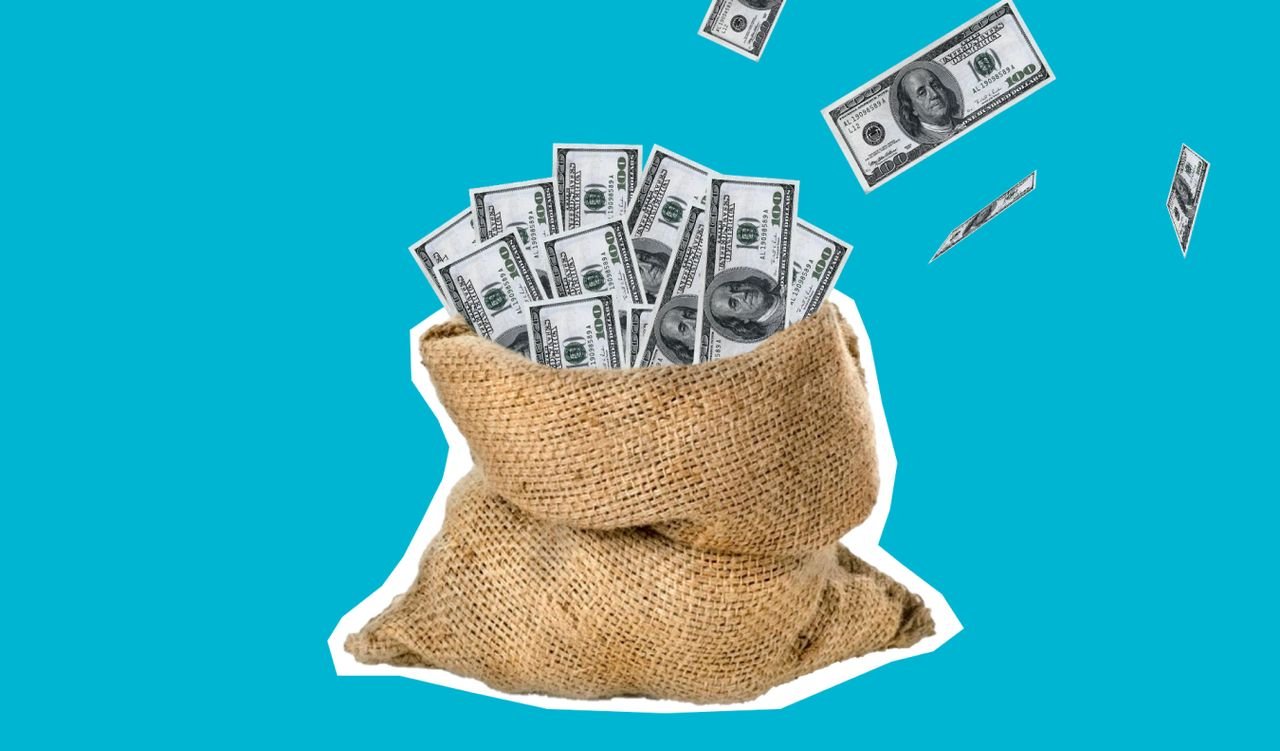
Cash flow is not profit. It is the money that comes in and the money that goes out. Think about your own bank account. You might earn a big paycheck next week. That looks great on paper. But if your rent is due today and your account is empty, you have a cash flow problem. Businesses work the same way.
How people actually use it:
"Great job on the project. The client will pay in 60 days. Until then, let's watch our cash flow. We still need to cover payroll and the coffee."
Or:
"We're buying more inventory this quarter, so cash flow will be tight. It should put us in a good spot for the holiday season."
A common mistake:
Don't say:
"Our profits are strong, so cash isn't a problem."
A business can make a profit and still run out of cash while it waits for customers to pay. Profit tells you how the business is doing. Cash flow tells you if it can keep the lights on.
2. Competitive Advantage: Why Someone Picks You
Ask one question. Why should a customer choose you instead of someone else?
If the answer is "We're cheaper," you have a weak edge. A real advantage is hard to copy. Maybe your support team answers every call. Maybe your delivery is the fastest in town. Maybe your product saves customers hours every week. That is your edge.
Instead of saying:
"We're better."
Say:
"Our software works with the tools most of our customers already use. It saves them about ten hours every week."
That is clear. That is useful.
3. Revenue Forecast: Your Best Guess
A revenue forecast is not a promise. It is your best estimate. Think about planning a road trip. You look at old trips. You check the weather. You make sure the car is ready. Then you guess how much gas you'll need. Business works the same way.
A simple forecast sounds like this: "We expect revenue to grow about 20% next quarter. Our new gardening line launches in April, and spring is usually our strongest season. This assumes supply delays stay under control."
You may be wrong. That is okay. A good guess beats no plan.
4. Break-even Point: The Line Between Losing and Earning
Imagine you sell homemade candles. You spend money on wax, jars, labels, and ads. At first, every sale pays back those costs. Then one day you earn back every dollar you spent. That is your break-even point. Everything after that starts to become profit.
For example:
"Our wellness workshop breaks even at 30 people. That covers the room, the trainer, and the materials. Person 31 starts making money."
Simple.
5. Brand Equity: A Jar of Trust
Think of your brand as a jar. Every happy customer drops a coin into it. Every good product adds another coin. Every problem you fix adds one more. That jar is your brand equity. Now think about what happens when you disappoint people. You take coins out. A full jar means people trust you. They come back. They tell friends. They even pay more because they believe in you.
You could say:
"This campaign isn't only about getting clicks. It's about building trust. We want people to think of us first when they need help."
Or:
"We could save a little money by using cheaper materials. But we'll lose trust. That's a bad trade."
The Verdict
The goal is not to sound smart. The goal is to be clear. Use cash flow when you mean the money you have today. Use competitive advantage when you explain why customers choose you. Use a revenue forecast when you make your best guess about what's ahead. Know your break-even point so you know when you start making money.
Treat brand equity like a jar of trust. Fill it one good decision at a time. The next time someone uses one of these terms, don't just nod. Think about the simple idea behind the words. Better yet, explain it without the jargon. If you can do that, you really understand it.
So tell me, which business term confused you the most when you started?